Synopsis
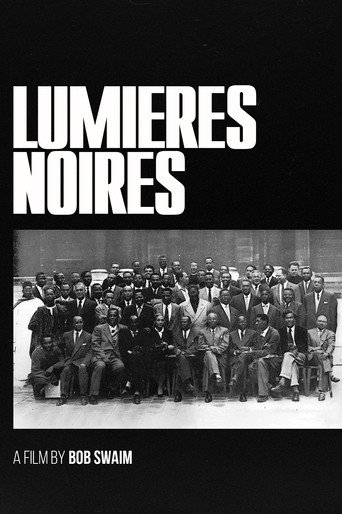
In September 1956, at the Sorbonne, the first Congress of black writers and artists was held for three days. Aimé Césaire, Alioune Diop, Léopold Sédar Senghor, Richard Wright, and Frantz Fanon notably mingled with Jean-Paul Sartre, Claude Lévi-Strauss, René Depestre, Édouard Glissant, and James Baldwin. American director Bob Swaim reflects on the circumstances surrounding this colloquium and explains why the great powers of the time did everything to disrupt it, discredit its conclusions, and stifle its significance.
Cinemoodly
Mood and atmosphere
Immerse yourself in a poignant exploration of identity and cultural heritage, set against the backdrop of 1950s Paris, where vibrant discussions spark hope and rebellion. This film encapsulates the warmth of camaraderie among black intellectuals, weaving a tapestry of nostalgia and longing for freedom. The atmosphere is rich with the echoes of jazz and the hum of thought-provoking conversations, evoking a sense of belonging and the bittersweet ache of loneliness. With its striking visuals, deep emotional resonance, and a soundtrack that dances between melancholy and inspiration, this experience invites you to reflect on the power of words, the quest for justice, and the beauty of cultural expression in a world that seeks to silence it. Perfect for cozy evenings or moments of introspection, it engenders feelings of unity, resilience, and the dream of a brighter future.
Generated from movie metadata; may contain inaccuracies.
Cast